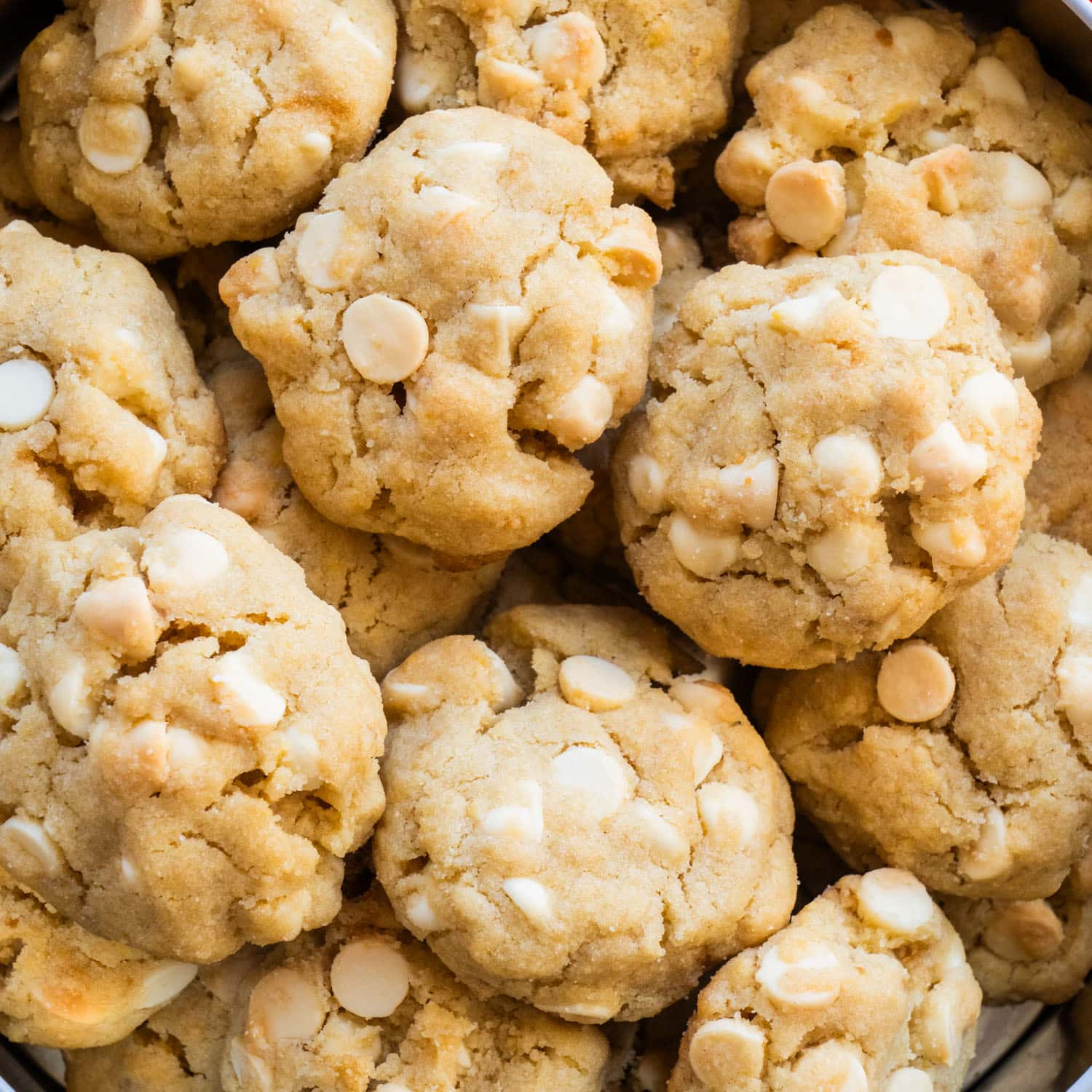
Unlock Ultimate Chewiness: The Bread Flour Secret for White Chocolate Chip Cookies
Are you on a quest for the perfect cookie? One that boasts a delightfully crispy edge, a luxuriously soft and chewy center, and an irresistible burst of creamy white chocolate in every bite? Look no further. The secret to achieving this textural nirvana, especially in your beloved White Chocolate Chip Cookies, lies in a pantry staple you might typically reserve for baking loaves: bread flour. This isn't just another cookie recipe; it's a game-changer, promising an elevated baking experience and results that will have everyone fighting over the last crumb.
Forget everything you thought you knew about cookie flour. While all-purpose flour holds its own, bread flour introduces a scientific edge, transforming humble cookie dough into a masterpiece of texture. We're talking about chunky, satisfying cookies, perfectly balanced with the sweet richness of white chocolate and a subtle hint of sea salt that makes the flavors sing. Prepare to discover why your next batch of white chocolate chip cookies made with bread flour will be your new go-to recipe.
The Secret Weapon: Why Bread Flour Transforms Your Cookies
The magic behind bread flour's superior chewiness for cookies comes down to one key factor: its protein content. Compared to standard all-purpose flour, bread flour contains a significantly higher percentage of protein. But what does this mean for your cookies?
- Increased Gluten Development: When flour is mixed with liquid (like butter and eggs in cookie dough), these proteins form gluten strands. The higher protein in bread flour means more of these strands can develop.
- Denser, More Elastic Structure: This increased gluten network creates a more elastic, chewier dough. Instead of a delicate, crumbly texture, you get a cookie that offers resistance, a satisfying pull, and springs back slightly when bitten into. This denser structure is precisely what prevents your cookies from becoming too cakey or dry.
- The Perfect Balance: The result is a cookie that holds its shape beautifully, maintaining those coveted crispy edges while retaining an incredibly soft, chewy interior. It's the ultimate textural contrast that every cookie lover craves. For a deeper dive into the science, check out our guide on Bread Flour vs. All-Purpose: The Chewy White Chocolate Chip Cookie Guide.
Simply put, if you're aiming for that deeply satisfying, chewy cookie experience, bread flour isn't just an option—it's essential. It takes your white chocolate chip cookies made with bread flour from good to absolutely unforgettable.
Crafting the Perfect White Chocolate Chip Cookies: Ingredients Breakdown
While bread flour is the star, the supporting cast of ingredients plays crucial roles in building the flavor and texture profile of these extraordinary cookies. Understanding each component helps you appreciate the symphony of taste and texture you're creating.
- Bread Flour: As discussed, this is your foundation for ultimate chewiness. Don't substitute if chewiness is your goal!
- Baking Soda & Baking Powder: These two leavening agents work in harmony. Baking soda reacts with acidic brown sugar to provide spread and chewiness, while baking powder offers an extra lift, contributing to a slightly softer crumb and preventing the cookies from being too dense.
- Salt: Often underestimated, salt is a flavor enhancer, not just a seasoning. It balances the sweetness of the sugars and white chocolate, bringing out their nuances and preventing the cookies from tasting cloyingly sweet.
- Unsalted Butter: The fat content in butter contributes richness, tenderness, and helps create those crispy edges. Using unsalted butter gives you control over the overall saltiness of the cookies. Ensure it's at room temperature for optimal creaming.
- Brown Sugar (Light or Dark): This is a key player in chewiness. The molasses in brown sugar adds moisture, a lovely caramel note, and makes the cookies softer and chewier. Dark brown sugar will intensify the caramel flavor and chew.
- Granulated Sugar: Provides sweetness and helps with crispness on the exterior of the cookie. The ratio of brown to granulated sugar is critical for the desired texture.
- Egg: Acts as a binder, adds structure, and contributes to the richness and moistness of the cookies. A large egg is typically sufficient.
- Vanilla Extract: A classic flavor enhancer that complements the white chocolate beautifully. Use good quality pure vanilla extract for the best results.
- White Chocolate Chips: The star flavor! The quality of your white chocolate truly matters here. Opt for good quality chips or, even better, chop up a block of high-quality white chocolate for varied melting pockets. This delivers creamy sweetness and a luxurious mouthfeel.
- Sea Salt (Optional but Highly Recommended): A sprinkle of flaky sea salt on top before baking is the ultimate secret weapon for these cookies. It creates a sensational sweet and salty contrast that elevates the flavor profile, making each bite incredibly complex and addictive. Don't skip it if you love that combination!
Mastering the Method: Tips for Unlocking Ultimate Chewiness
Beyond the ingredients, the process itself holds secrets to perfecting your
- Mise en Place (Prepare Your Ingredients): Ensure all ingredients, especially butter and egg, are at room temperature. This allows them to emulsify properly, creating a smooth, homogenous dough.
- Combine Dry Ingredients Thoroughly: In a medium bowl, whisk together your bread flour, baking soda, baking powder, and salt. Proper distribution ensures even leavening and seasoning throughout the dough.
- Cream Wet Ingredients Fully: In a large bowl, using an electric mixer, cream together the room-temperature butter with both brown and granulated sugars until light and fluffy. This process incorporates air, contributing to the cookie's texture. Beat in the egg and vanilla until just combined.
- Gradually Add Dry to Wet: Slowly add the dry ingredient mix to the wet ingredients, mixing on low speed until just combined. The dough will appear slightly crumbly, and that's exactly what you want when using bread flour. Do not overmix! Overmixing develops too much gluten, which can lead to tough rather than chewy cookies.
- Fold in White Chocolate Chips: With a spatula or wooden spoon, gently fold in the white chocolate chips until evenly distributed.
- The Critical Chill: This is arguably the most important step for ultimate chewiness and flavor development. Cover the bowl and refrigerate the dough for at least 1 hour, or even up to 24-48 hours. Why chill?
- Hydration: It gives the bread flour time to fully hydrate, enhancing gluten development and chewiness.
- Flavor Development: Flavors meld and deepen over time.
- Less Spread: Cold dough spreads less in the oven, leading to thicker, chewier cookies.
- Easier Handling: The dough, which might seem crumbly initially, becomes much easier to handle and shape after chilling.
- Shape and Bake: Scoop large spoonfuls of the chilled dough and firmly roll them into balls. The dough might still be slightly crumbly, but gentle pressure with your hands will shape them perfectly. Place on a parchment-lined baking sheet. If desired, sprinkle a pinch of flaky sea salt on top of each cookie before baking. Bake in a preheated oven until the edges are golden brown and the centers are still slightly soft. This ensures a chewy interior.
- Cooling: Allow cookies to cool on the baking sheet for 5-10 minutes before transferring to a wire rack. This allows them to set up without breaking and continues the baking process slightly, contributing to those crispy edges.
These techniques, combined with the power of bread flour, guarantee that your white chocolate chip cookies made with bread flour will be nothing short of phenomenal.
The Magic of Time: Do These Cookies Get Better?
One fascinating aspect of these cookies is their incredible shelf life and how their texture evolves. While many cookies are best consumed fresh from the oven, these white chocolate chip cookies defy expectations. Many bakers find that they actually improve over time, becoming even chewier and crispier as the days pass. This phenomenon is likely due to the continued settling of moisture and the gluten structure within the cookie.
Consider conducting your own taste test! Enjoy one on baking day, then try another a day or two later, and perhaps one more after five days (if they last that long!). You might be surprised at how the flavors deepen and the texture becomes even more irresistible. Store them in an airtight container at room temperature to maintain their freshness.
Conclusion
The journey to unlocking ultimate chewiness in your cookies ends here. By embracing the simple yet powerful secret of bread flour, you're not just baking another batch of white chocolate chip cookies; you're crafting a truly exceptional dessert experience. The higher protein content of bread flour ensures a satisfyingly chewy interior and crispy edges that will redefine your cookie expectations. From the perfectly balanced sweetness of the white chocolate to the essential savory kick of sea salt, every element comes together to create a cookie that is undeniably chunky, utterly delicious, and addictively chewy. So, grab your bread flour, roll up your sleeves, and prepare to bake the best white chocolate chip cookies made with bread flour you've ever tasted.
